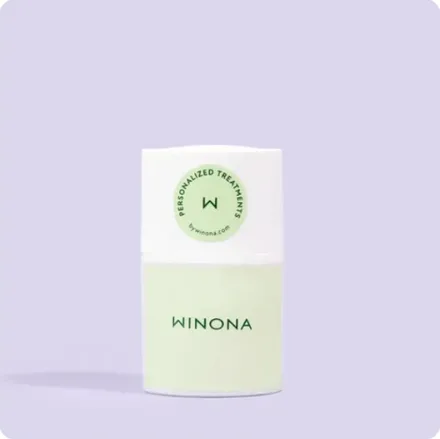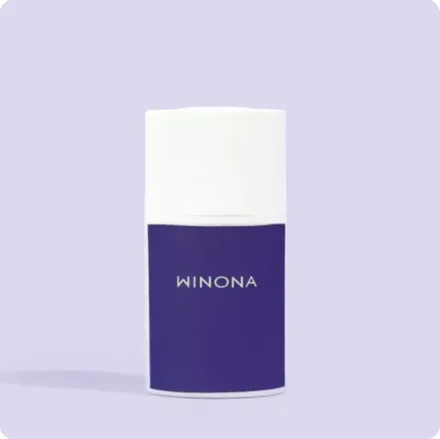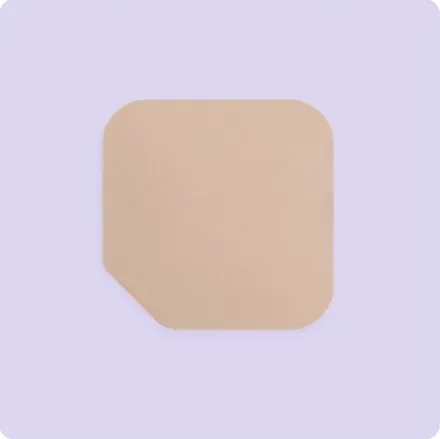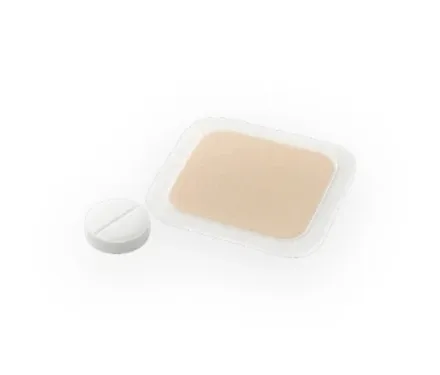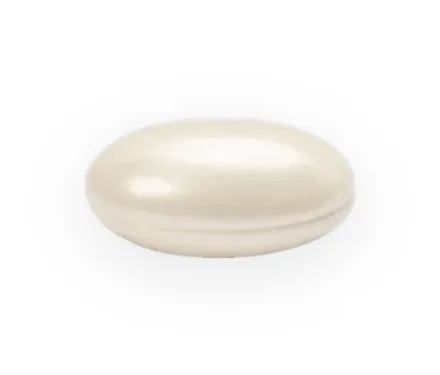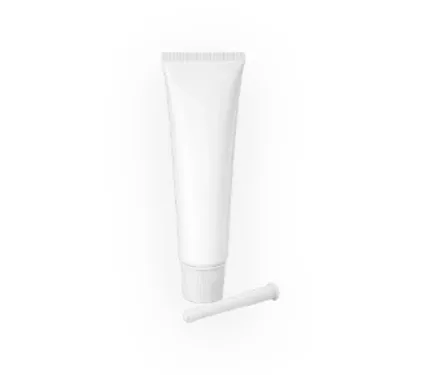
Vaginal estrogen is a low dose of estrogen placed directly in the vagina - as a cream, a small tablet or softgel insert, or a soft ring - to treat the vaginal, vulvar and urinary changes of menopause. It works locally, restores the tissue, and at low doses very little reaches the rest of the body.
When estrogen falls in perimenopause and after menopause, the tissues of the vulva, vagina, urethra and bladder change. They become thinner, drier, less elastic and more fragile. The vaginal pH rises, the protective lactobacilli decline, and the tissue bleeds and tears more easily. Doctors now call this genitourinary syndrome of menopause (GSM) - a term that replaced "vaginal atrophy" because it also covers the bladder and urethra.
The symptoms are easy to miss or misattribute:
- Vaginal dryness, burning, itching or irritation
- Pain, tearing or bleeding with sex
- Reduced arousal or lubrication
- Urinary urgency, frequency or needing to go at night
- Burning with urination when there's no infection
- Repeated urinary tract infections
- Discomfort when sitting, wearing tight clothes, exercising or cycling
Here's the part most women are never told: GSM usually gets worse over time without treatment. Hot flashes tend to fade. Vaginal and urinary symptoms tend to persist and progress. The 2020 position statement from The North American Menopause Society (now The Menopause Society) estimated that GSM affects roughly 27% to 84% of postmenopausal women, and called it underdiagnosed and undertreated.
Vaginal estrogen treats the cause rather than masking symptoms. It thickens the vaginal lining, restores lubrication and elasticity, lowers the pH and brings back lactobacilli. Many women notice improvement within a few weeks, with fuller benefit by about three months.